

Stronger Together.
NWC MEMBER BENEFITS
NWC Group Member Benefits
Being a group member of the NSW Wildlife Council brings valuable benefits to your organisation and, perhaps most importantly, unites our sector to be stronger together.
Member Benefits include:
Access to the NWC Small Grants Program
Free public liability and volunteer insurance to cover member groups
Advocacy through coordinated campaigns, submissions, and reports
Discounted/Free access to professional development and training courses
Access and membership to the NWC Learning/Training Hub
Access to current sector information like Wildlife – NWC’s quarterly
Species-specific support from network of expert specialists
Quarterly networking meetings (in-person or via Zoom)
Opportunities for community involvement through local groups
Media and marketing templates for local promotion
Coming soon: Social media templates, amplification, and support
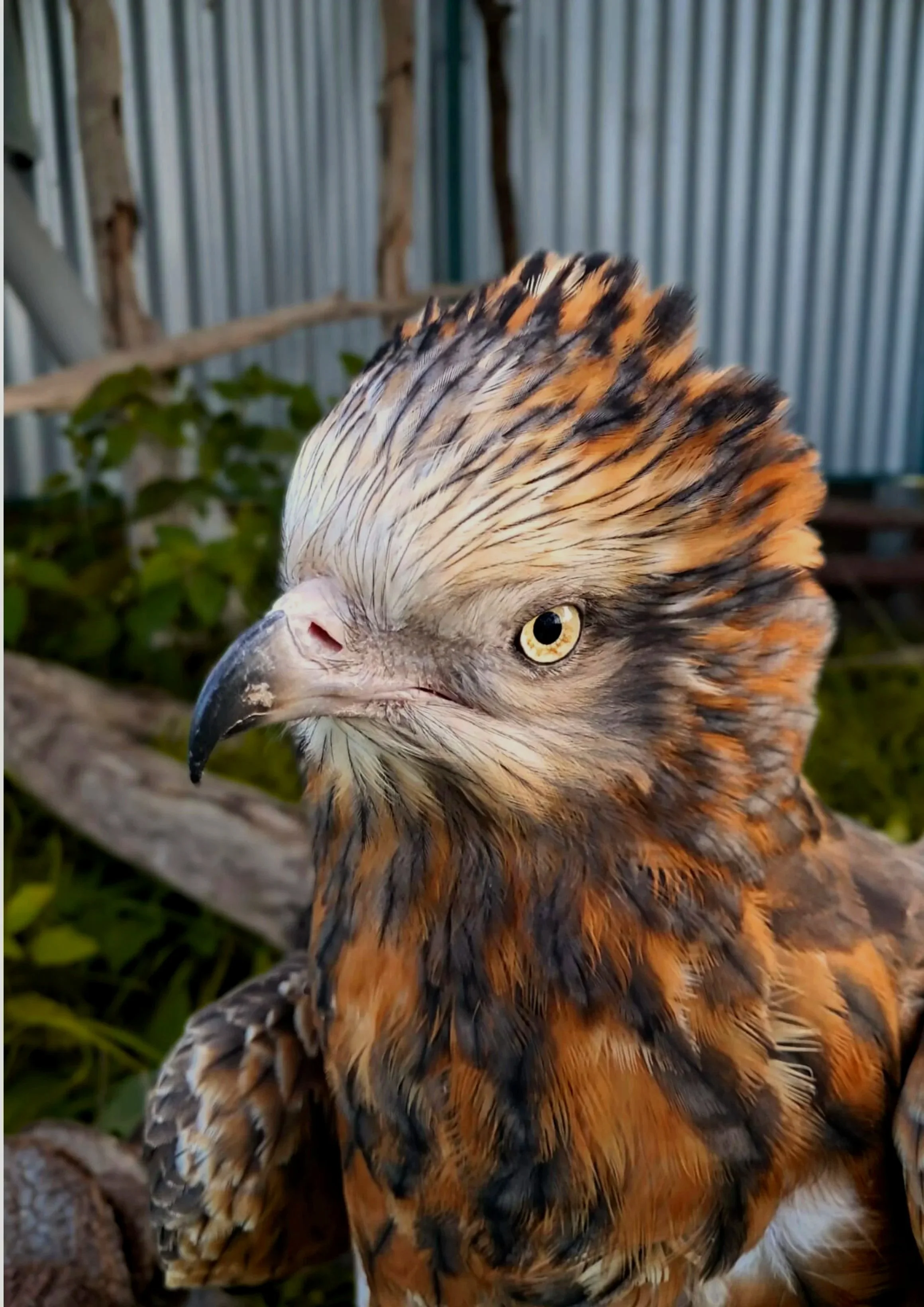
Wellbeing Support
NWC members have free and confidential access to multiple dedicated mental health and wellbeing services. Working in wildlife rescue and rehabilitation carries a unique emotional weight - exposure to suffering, loss, and high-pressure situations can take a quiet but cumulative toll. Having wellbeing support at every level - from preventative self-care and peer connection to professional crisis response - is essential to sustain both the people and the mission to protect our wildlife.
WildTalk 1300 945 382
Email - info@wildtalk.org.au
WildTalk is a free, 24/7 counselling and mental health program specifically for people working with Australian wildlife (rescuers, carers, vets, researchers). They also provide training packages (online and face-to-face) and mental health fact sheets & resources.
Why a rescuer/rehabilitator might choose it: Because it’s tailored to the unique stresses and emotional labour of wildlife care, WildTalk understands the “in-between” situations that others may not - and offers up to 6 free confidential sessions per year.
Two Green Threads
Two Green Threads is a national non-profit dedicated to supporting wildlife carers’ wellbeing. They provide resources,webinars, courses, podcasts, reflection tools, and “Refill Your Bucket” initiatives (a framework for self-care and resilience) plus a curated directory of mental health help.
Why a rescuer/rehabilitator might choose it: It’s designed for sector sustainability - helping carers avoid burnout/crisis-level by balancing care for wildlife with critical self care all while connecting them into a community of peers facing the same challenges.
Black Dog Institute
The Black Dog Institute is a leading Australian mental health research and service organisation. One of their offerings is the National Emergency Worker Support Service, which includes free mental health checks, evidence-based resources, and clinician consultations (in person or via telehealth). They also maintain a wide library of free mental health tools and resources such as assessments, fact sheets, and apps.
Why a rescuer/rehabilitator might choose it: Because licensed wildlife rescuers and carers are included in the service’s definition of “emergency workers,” they qualify for these tailored, cost-free support services - even if their mental health needs are not strictly “crisis-level.”
Emergency support
If your life is in danger call emergency services:
Emergency Australia – 000
Counselling (24/7)
If you need immediate support you can call one of the following numbers
Lifeline Australia | 13 11 14
WildTalk | 1300 945 382
Kids Helpline | 1800 55 1800
MensLine Australia | 1300 78 99 78
Suicide Call Back Service | 1300 659 467
Beyond Blue | 1300 22 4636
Open Arms – Veterans & Families Counselling | 1800 011 046
Qlife – anonymous and free LGBTI peer support | 1800 184 527 – (3PM-Midnight every day)
Thirrili 24/7 | 1800 805 801
Brother to brother 24-hour crisis line | 1800 435 799
Legal Support
NWC members can access free and low-cost legal assistance through Justice Connect, a service that supports community organisations with expert advice on governance, contracts, volunteering, and other legal matters - helping wildlife groups operate with confidence and compliance.
Google for Nonprofits
Through Google for Nonprofits, eligible wildlife rescue and rehabilitation organisations can access a suite of powerful digital tools - at no cost. These include:
Google Workspace (Gmail, Drive, Docs, and Meet) for streamlined collaboration and secure cloud storage.
Ad Grants offering up to $10,000 per month in free advertising on Google Search to raise awareness, find donors, and recruit volunteers.
YouTube for Nonprofits features for storytelling and fundraising.
The first step for any wildlife group or nonprofit interested in accessing Google for Nonprofits is to register with Connecting Up (Australia’s official nonprofit technology partner). Once verified, your organisation can activate Google for Nonprofits and begin setting up Google Workspace, Ad Grants, and other free tools.
NWC can help connect you with a local wildlife group already using these tools.
Canva for Nonprofits
Canva for Nonprofits gives eligible nonprofit wildlife organisations free access to Canva Pro - including premium templates, brand kits, media libraries, and collaboration tools that make design easy for every volunteer and all skill levels of digital creators.
With Canva, local groups can quickly create beautiful posters, presentations, flyers, and social media content to promote rescue work, fundraising, and community education with little to no design experience needed.
To get started, groups can apply through the Canva for Nonprofits portal using their charity registration or Connecting Up verification.
The NSW Wildlife Council is also developing a shared Canva Template Library for member groups - featuring on-brand designs for presentations, campaigns, wildlife awareness posters, and social media posts and more.
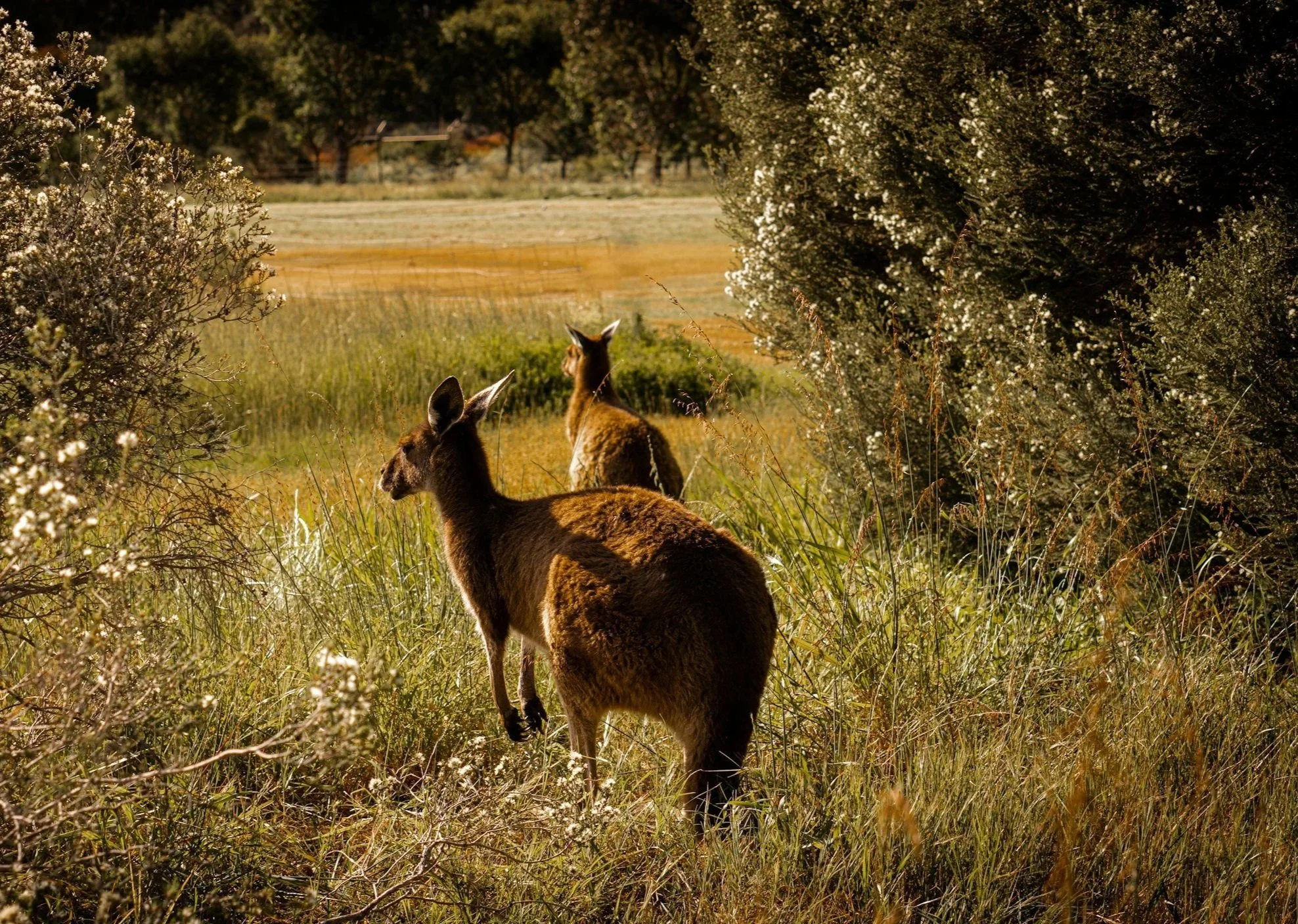
Join a united network of wildlife rescuers and carers working together for stronger advocacy, better support, and real impact for wildlife. Membership gives your organisation access to grants, training, sector updates, expert networks, and upcoming tools like our new Learning Hub - while helping build a stronger, more connected future for the wildlife rehabilitation community.