

Stronger Together.
RESOURCES FOR MEMBERS
Explore a range of resources: wellbeing, legal, digital, and design support, along with NWC policies, key sector documents, and essential links.
H5N1 Bird Flu Information
The NSW DCCEEW has established a dedicated H5N1 avian influenza webpage for the wildlife rehabilitation sector. This page will be updated as the situation develops.
Wildlife rehabilitators play an important role in protecting wildlife health and supporting disease surveillance in NSW. We encourage all volunteers working with wildlife to read the information on the page (linked above) and watch the videos. The videos are on topics such as surveillance and reporting, biosecurity, and keeping yourself and others safe.
Report using this online form or by calling the Emergency Animal Disease Hotline on 1800 675 888.
By staying informed and working together, we can help limit the spread of this disease.
Wellbeing Support

NWC members have free and confidential access to multiple dedicated mental health and wellbeing services. Working in wildlife rescue and rehabilitation carries a unique emotional weight - exposure to suffering, loss, and high-pressure situations can take a quiet but cumulative toll. Having wellbeing support at every level - from preventative self-care and peer connection to professional crisis response - is essential to sustain both the people and the mission to protect our wildlife.
WildTalk 1300 945 382
Email - info@wildtalk.org.au
WildTalk is a free, 24/7 counselling and mental health program specifically for people working with Australian wildlife (rescuers, carers, vets, researchers). They also provide training packages (online and face-to-face) and mental health fact sheets & resources.
Why a rescuer/rehabilitator might choose it: Because it’s tailored to the unique stresses and emotional labour of wildlife care, WildTalk understands the “in-between” situations that others may not - and offers up to 6 free confidential sessions per year.
Two Green Threads
Two Green Threads is a national non-profit service dedicated to supporting wildlife carers’ wellbeing. They provide resources,webinars, courses, podcasts, reflection tools, and “Refill Your Bucket” initiatives (a framework for self-care and resilience) plus a curated directory of mental health help.
Why a rescuer/rehabilitator might choose it: It’s designed for sector sustainability - helping carers avoid burnout/crisis-level by balancing care for wildlife with critical self care all while connecting them into a community of peers facing the same challenges.
Black Dog Institute
The Black Dog Institute is a leading Australian mental health research and service organisation. One of their offerings is the National Emergency Worker Support Service, which includes free mental health checks, evidence-based resources, and clinician consultations (in person or via telehealth). They also maintain a wide library of free mental health tools and resources such as assessments, fact sheets, and apps.
Why a rescuer/rehabilitator might choose it: Because licensed wildlife rescuers and carers are included in the service’s definition of “emergency workers,” they qualify for these tailored, cost-free support services - even if their mental health needs are not strictly “crisis-level.”
Emergency support
If your life is in danger call emergency services:
Emergency Australia – 000
Counselling (24/7)
If you need immediate support you can call one of the following numbers
Lifeline Australia | 13 11 14
WildTalk | 1300 945 382
Kids Helpline | 1800 55 1800
MensLine Australia | 1300 78 99 78
Suicide Call Back Service | 1300 659 467
Beyond Blue | 1300 22 4636
Open Arms – Veterans & Families Counselling | 1800 011 046
Qlife – anonymous and free LGBTI peer support | 1800 184 527 – (3PM-Midnight every day)
Thirrili 24/7 | 1800 805 801
Brother to brother 24-hour crisis line | 1800 435 799
NWC members can access free and low-cost legal assistance through Justice Connect, a service that supports community organisations with expert advice on governance, contracts, volunteering, and other legal matters - helping wildlife groups operate with confidence and compliance.

Legal Support
Google for Nonprofits

Through Google for Nonprofits, eligible wildlife rescue and rehabilitation organisations can access a suite of powerful digital tools - at no cost. These include:
Google Workspace (Gmail, Drive, Docs, and Meet) for streamlined collaboration and secure cloud storage.
Ad Grants offering up to $10,000 per month in free advertising on Google Search to raise awareness, find donors, and recruit volunteers.
YouTube for Nonprofits features for storytelling and fundraising.
The first step for any wildlife group or nonprofit interested in accessing Google for Nonprofits is to register with Connecting Up (Australia’s official nonprofit technology partner). Once verified, your organisation can activate Google for Nonprofits and begin setting up Google Workspace, Ad Grants, and other free tools.
NWC can help connect you with a local wildlife group already using these tools.

Canva for Nonprofits gives eligible nonprofit wildlife organisations free access to Canva Pro - including premium templates, brand kits, media libraries, and collaboration tools that make design easy for every volunteer and all skill levels of digital creators.
With Canva, local groups can quickly create beautiful posters, presentations, flyers, and social media content to promote rescue work, fundraising, and community education with little to no design experience needed.
To get started, groups can apply through the Canva for Nonprofits portal using their charity registration or Connecting Up verification.
The NSW Wildlife Council is also developing a shared Canva Template Library for member groups - featuring on-brand designs for presentations, campaigns, wildlife awareness posters, and social media posts and more.
Canva for Nonprofits

Wildlife Heroes Free Webinar Series
In partnership with the NSW National Parks and Wildlife Service (NPWS) and Wildlife Heroes, NWC members can access a valuable library of expert-led webinars designed to strengthen skills and knowledge across wildlife rescue, rehabilitation, and health.
These sessions connect volunteer rehabilitators with leading veterinarians, researchers, and wildlife health professionals, covering topics such as:
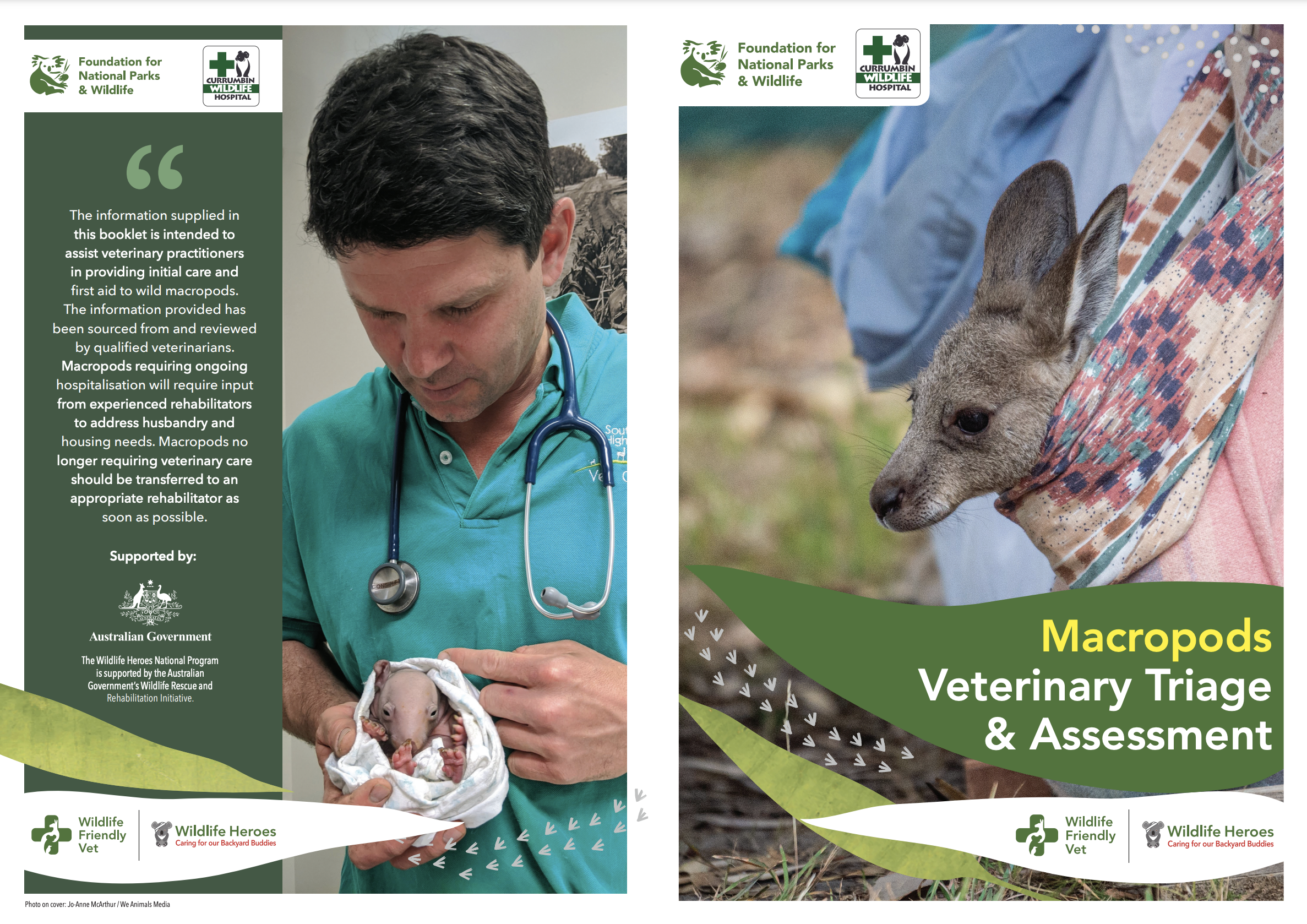
Koala Health & Disease with Dr Amber Gillett
Emergency Animal Disease Preparedness (Foot and Mouth)
Treating Turtle Shell Injuries with Dr Robert Johnson AM
Ecology of Bare-nosed Wombats and Sarcoptic Mange in Wombats with Dr Scott Carver
Evaluating Seal Health with Jane Hall
Wildlife Disease Management and Emerging Diseases in Australian Wildlife
Weeds in Wildlife Microbiomes with Professor Michelle Power
Echidnas – the Different Mammal with Dr Peggy Rismiller.
Essential Sector Links
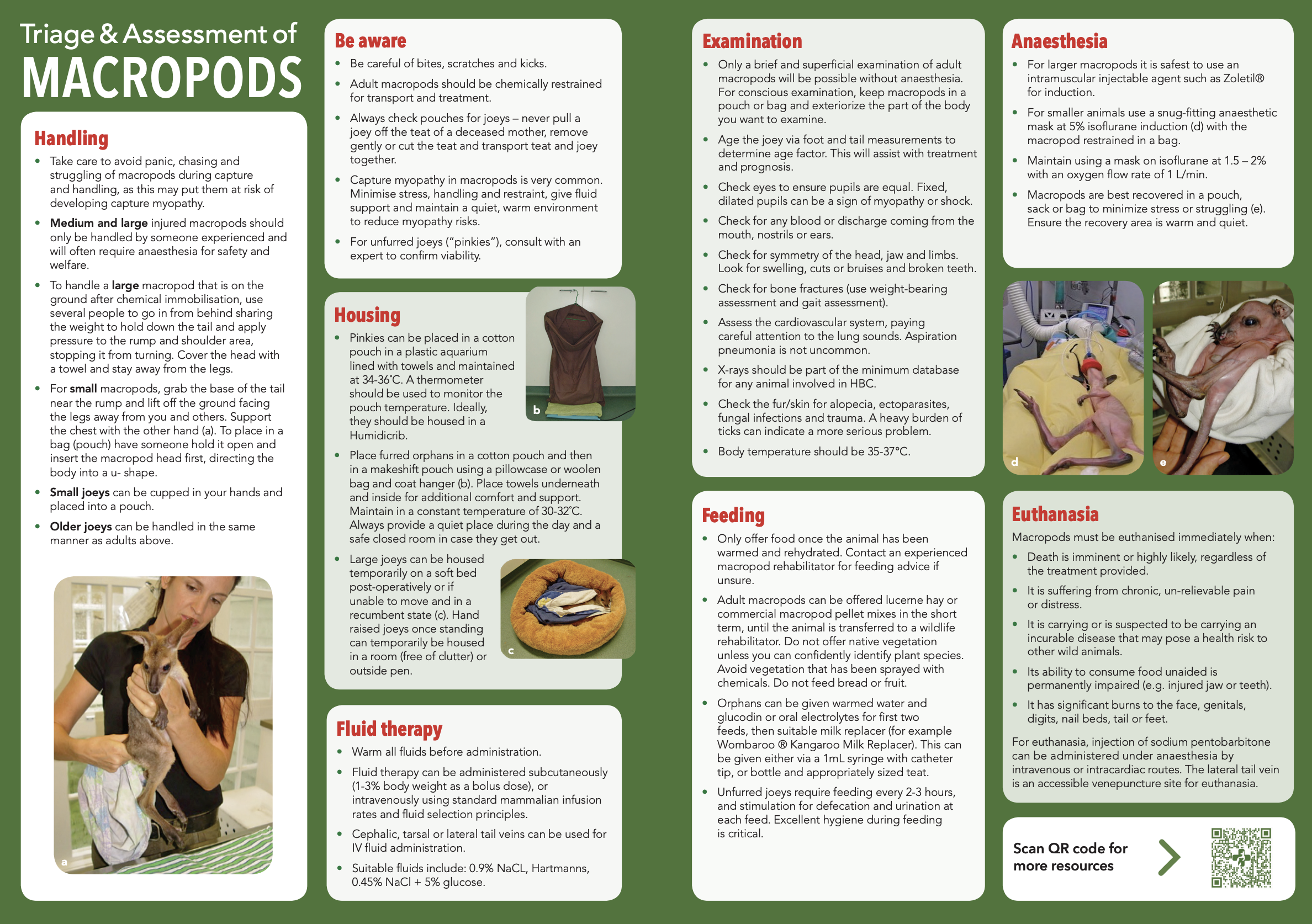
For the latest version of the Initial Care and Rescue of Wildlife, click this link.
For the latest version of the Wildlife Rehabilitation Codes of Practice use the link below to access the Environment NSW library, click this link.
For the latest versions of the Training Standards for the Volunteer Wildlife Rehabilitation Sector, click this link.
Obtaining a license to rescue and rehabilitate wildlife in NSW, click this link.
The Welcome Video, developed by the NSW DCCEEW, introduces new volunteers to wildlife rehabilitation. It showcases the work of the sector, outlines volunteers' regulatory obligations under the relevant codes of practice, and discusses the resources available to support their learning. To watch, click this link.
Useful Links
Wildlife Health, Disease & Biosecurity Links
Wildlife Health Australia – National body for wildlife health; resources, surveillance, newsletters, technical support. wildlifehealthaustralia.com.au
eWHIS – Wildlife Health Information System – Australia’s database for wildlife disease and health surveillance. wildlifehealthaustralia.com.au
National Guidelines for Management of Disease in Free-ranging Australian Wildlife – Protocols and best practice guidelines.
WHA Fact Sheets – Concise documents on various diseases (zoonoses, emerging threats, management)
Biosecurity & Management – Including the National Zoo Biosecurity Manual and guidelines for wildlife work
Australian Registry of Wildlife Health (ARWH) – Diagnostic, pathology, training, reporting, disease cases database.
Emergency Response for Wildlife – Bushfires & Floods
NSW NPWS – Wildlife Response During Emergencies Guidelines
Comprehensive guidance on how wildlife response is managed in NSW, including roles, triage, transport, and coordination during natural disasters.
environment.nsw.gov.au/publications/npws-wildlife-response-during-emergencies-guidelines
NSW Wildlife in Emergencies Sub Plan
Outlines the state framework for coordinating wildlife response during bushfires, floods, and other disasters.
nsw.gov.au/emergency/rescue-and-emergency-management/sub-plans/wildlife
Helping Wildlife in Emergencies –Responders and the Public -NSW Government
Practical advice for responders and the public on assisting wildlife in distress, providing water, and reporting injured animals.
environment.nsw.gov.au/topics/animals-and-plants/native-animals/helping-wildlife-in-emergencies
Bushfire Relief for Wildlife Rehabilitators – NSW Government
Support programs and grants for carers recovering from bushfire impacts, with training and recovery resources.
environment.nsw.gov.au/topics/animals-and-plants/native-animals/helping-wildlife-in-emergencies/bushfire-relief-for-wildlife-rehabilitators
Become a NWC Group Member
Join a united network of wildlife rescuers and carers working together for stronger advocacy, better support, and real impact for wildlife. Membership gives your organisation access to grants, training, sector updates, expert networks, and upcoming tools like our new Learning Hub - while helping build a stronger, more connected future for the wildlife rehabilitation community.
Support NWC
Your generosity helps empower the dedicated rescuers and rehabilitators who protect our native wildlife every day.
Together, we’re building a stronger, more connected network to serve wildlife.